
Jan 05, 2026

Reading Time: 3 min
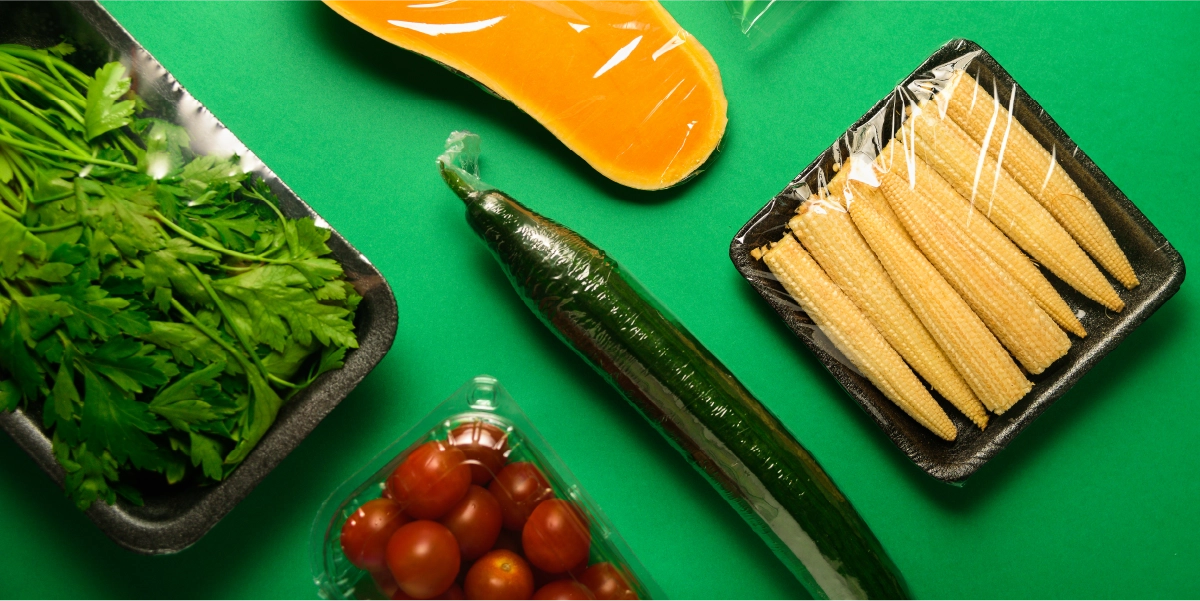
When sourcing packaging for food products, the term “food grade” is everywhere. Bags, films, pouches, containers and boxes are often labelled as food grade or food safe; but what does that actually mean in practice?
Many food businesses understandably assume that if packaging is sold for food use, it must automatically be safe. Unfortunately, that assumption can carry real risks. Not all materials are suitable for all types of food, temperatures, or storage conditions, and choosing the wrong packaging can lead to contamination, compliance issues, or damage to customer trust.
In this guide, we’ll break down what food grade packaging really means, how it’s regulated in the UK, and why selecting the right materials matters for food safety, legal compliance, and your reputation.
In simple terms, food grade packaging is packaging that is safe to come into direct contact with food without posing a risk to human health.
That means the material must not:
However, “food grade” isn’t just a label, it’s about suitability for purpose. A material may be food grade for one application but not another. For example, packaging that’s safe for dry goods at room temperature may not be suitable for hot, acidic, fatty, or frozen foods.
True food grade packaging is designed, manufactured, and tested with its intended food use in mind, taking into account contact time, temperature, and food type.

Food grade packaging comes in a variety of materials, and each has its own strengths and limitations. Whether a material is suitable will depend on:
Below are some of the most common food grade packaging materials used across the food industry.
Not all plastics are food grade, but many are specifically manufactured to meet food contact requirements.
Common food grade plastics include materials used in:
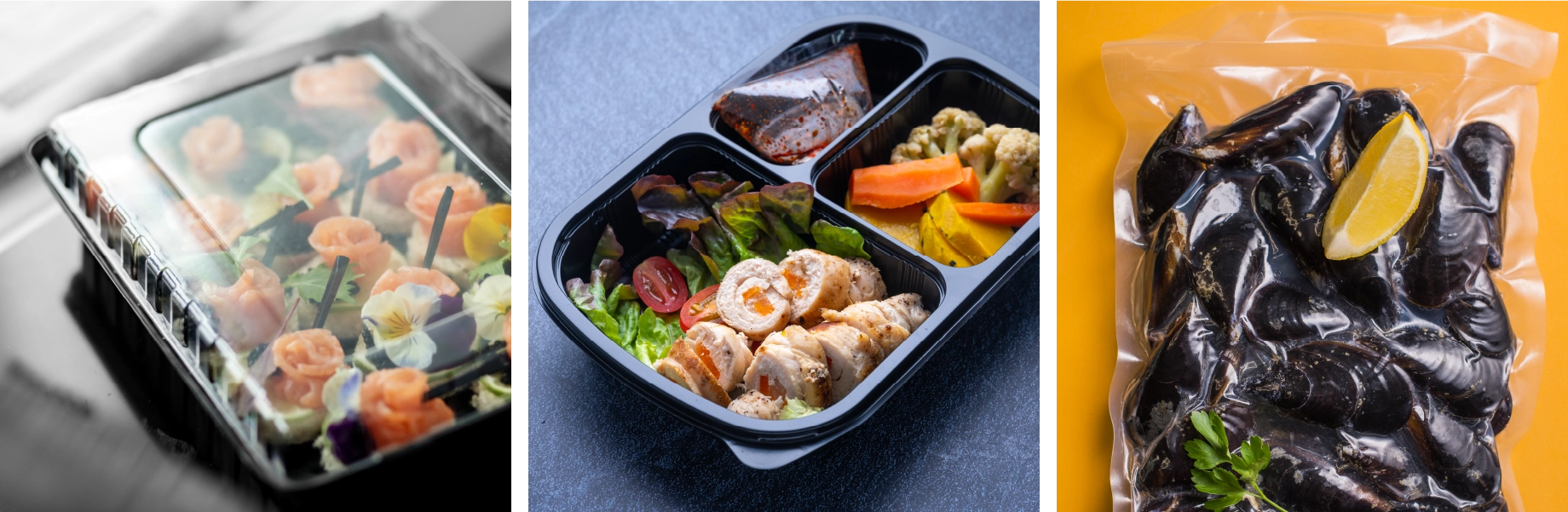
These materials are designed to prevent chemical migration into food and to maintain food quality during storage, refrigeration, freezing, or cooking (where appropriate). For example, vacuum pouches used by butchers and caterers are formulated to safely handle raw meat and extended storage times
It’s important to note that temperature tolerance varies. A plastic suitable for chilled food may not be safe for hot filling or reheating, even if it is food grade.
Paper and cardboard can also be food grade, but their suitability often depends on coatings, linings, or barriers.
Uncoated paper may be fine for dry foods like bakery items, but greasy or moist foods typically require:
These are commonly used in: bakeries, takeaways, butchers, farm shops and street food businesses.
Without the correct barrier, fibre-based packaging can absorb oils or moisture, potentially compromising food safety and packaging integrity.
In the UK, food grade packaging must comply with UK and retained EU food contact legislation. These regulations ensure that materials intended to come into contact with food do not endanger health or alter food in unacceptable ways.
In practical terms, food contact materials must:
This applies to plastics, paper, inks, adhesives, and coatings.
Food businesses are responsible for ensuring that the packaging they use is appropriate for the food being sold, even if the packaging supplier has already assessed the material. That’s why clear product information and expert advice are so important when selecting food grade packaging.
When choosing food grade packaging, it’s essential to look beyond the label and consider how the packaging will actually be used.
Key questions to ask include:
For example:
Choosing packaging that’s genuinely fit for purpose helps protect food safety, supports compliance, and delivers a better experience for your customers.
They’re closely related, but not identical. Food grade refers to materials designed and approved for food contact, while food safe describes how that packaging is used correctly. A food grade product can become unsafe if used outside its intended conditions.
No. Temperature matters. Some food grade materials are only suitable for cold or ambient use. Always check whether packaging is approved for hot filling, reheating, or microwave use.
Not necessarily. Being BPA-free removes one potential concern, but it doesn’t guarantee the material meets all food contact regulations or is suitable for your specific application.
BRC accreditation refers to a globally recognised certification that demonstrates high standards in manufacturing, hygiene, and traceability. Many food packaging products supplied by Weald Packaging are sourced from BRC-accredited facilities, providing additional confidence in quality and compliance.
Food grade packaging isn’t just a technical requirement, it’s a critical part of food safety, legal compliance, and customer trust. Using the wrong packaging can lead to contamination risks, regulatory issues, and reputational damage.
By understanding what food grade really means and choosing packaging that’s fit for purpose, food businesses can protect both their customers and their brand.
At Weald Packaging, we supply a wide range of food grade packaging solutions and offer expert guidance to help you choose the right product for your needs. If you’re unsure about suitability, compliance, or materials, our team is always here to help.
All our suppliers are BRC accredited, meaning they operate to internationally recognised standards and comply fully with relevant health and safety regulations for food contact materials. This accreditation provides assurance that packaging is manufactured under strict quality controls, with full traceability and robust hygiene processes in place. In addition, Weald Packaging can supply all required technical documentation, including technical data sheets, migration reports, and food safety certificates, giving customers complete confidence that their packaging meets regulatory requirements and is suitable for its intended use.

Oops! Something went wrong while submitting the form
PRODUCTS
All ProductsFood PackagingIndustrial PackagingIngredients & CasingsPPE & JanitorialSundries, Knives & EquipmentTakeaway PackagingClearanceWeald Packaging Supplies is a limited company registered in England and Wales. Registered number: 01713146. Registered office: Station Approach, Buxted, TN22 4LA.